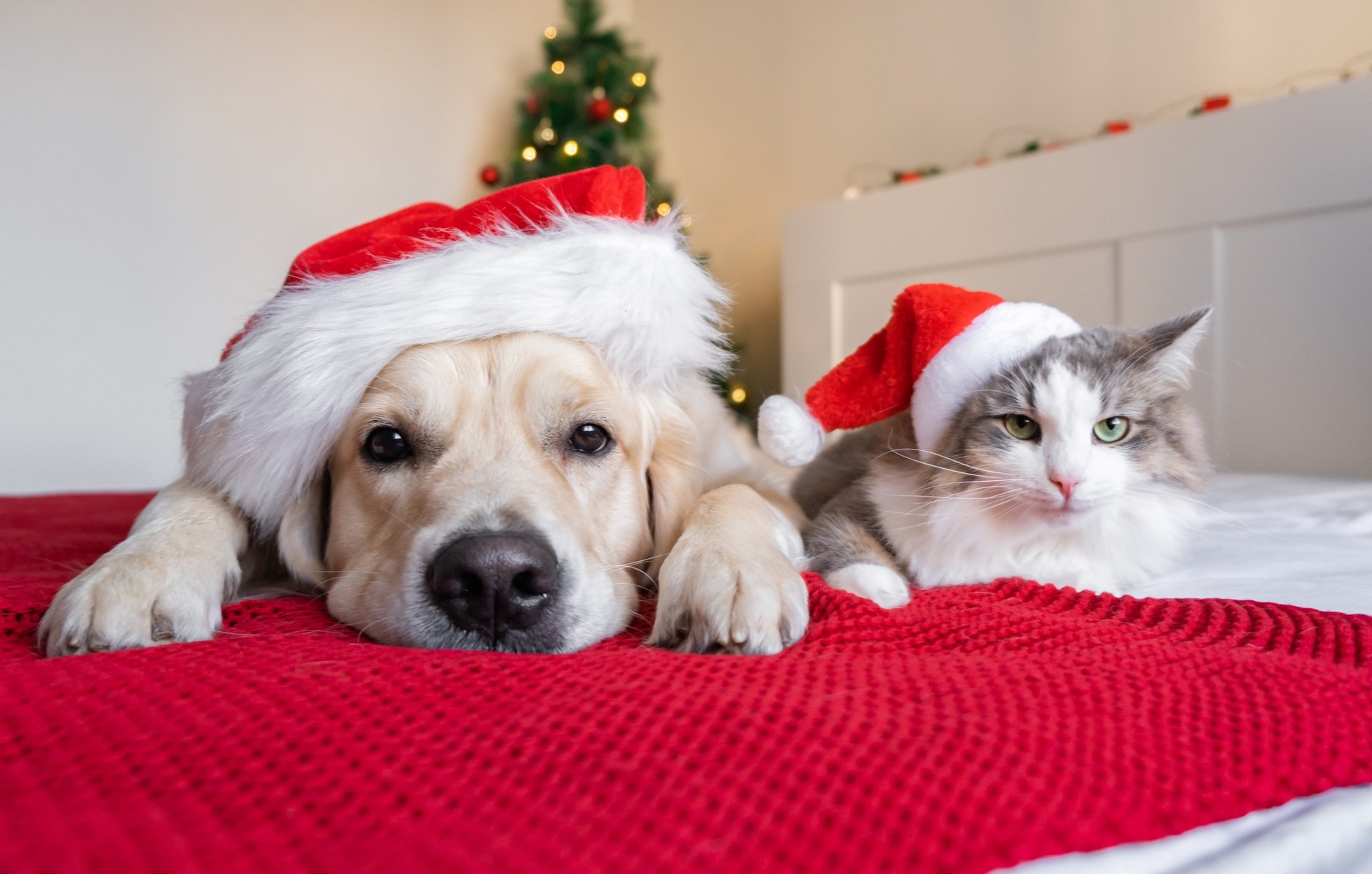
Pets, Presents and “Poisonous” Christmas Plants: What Actually Matters
Every December, the internet explodes with scary warnings about Christmas plants toxic to pets and panicked posts about poinsettias. The real risks to your pets are often sitting quietly on the coffee table, in a vase, or scattered on the floor after a party.
This guide walks through which Christmas plants are truly dangerous for dogs and cats, which ones are mostly overhyped, and the simple habits that keep your home both beautiful and safe for the holidays.
The One Christmas Plant Cat Owners Must Avoid
Among all the Christmas plants that can be toxic to pets, there is one that truly deserves the “absolutely not” label for cat owners: lilies.
With lilies, even tiny exposures are a problem. The pollen, the petals, the leaves, and even the water in the vase can be enough to cause serious kidney damage if a cat brushes against the plant, gets pollen on their fur, and then grooms it off later.
Because cats can reach high shelves and love exploring every surface, “just put them out of reach” is not realistic. If someone gifts you lilies and you have a cat, the safest option is to move them completely out of any cat space—rehome them to an office, a pet‑free friend, or even leave them out on a shaded verge with a “free flowers” note for a neighbour.
Are Poinsettias Really Toxic to Pets?
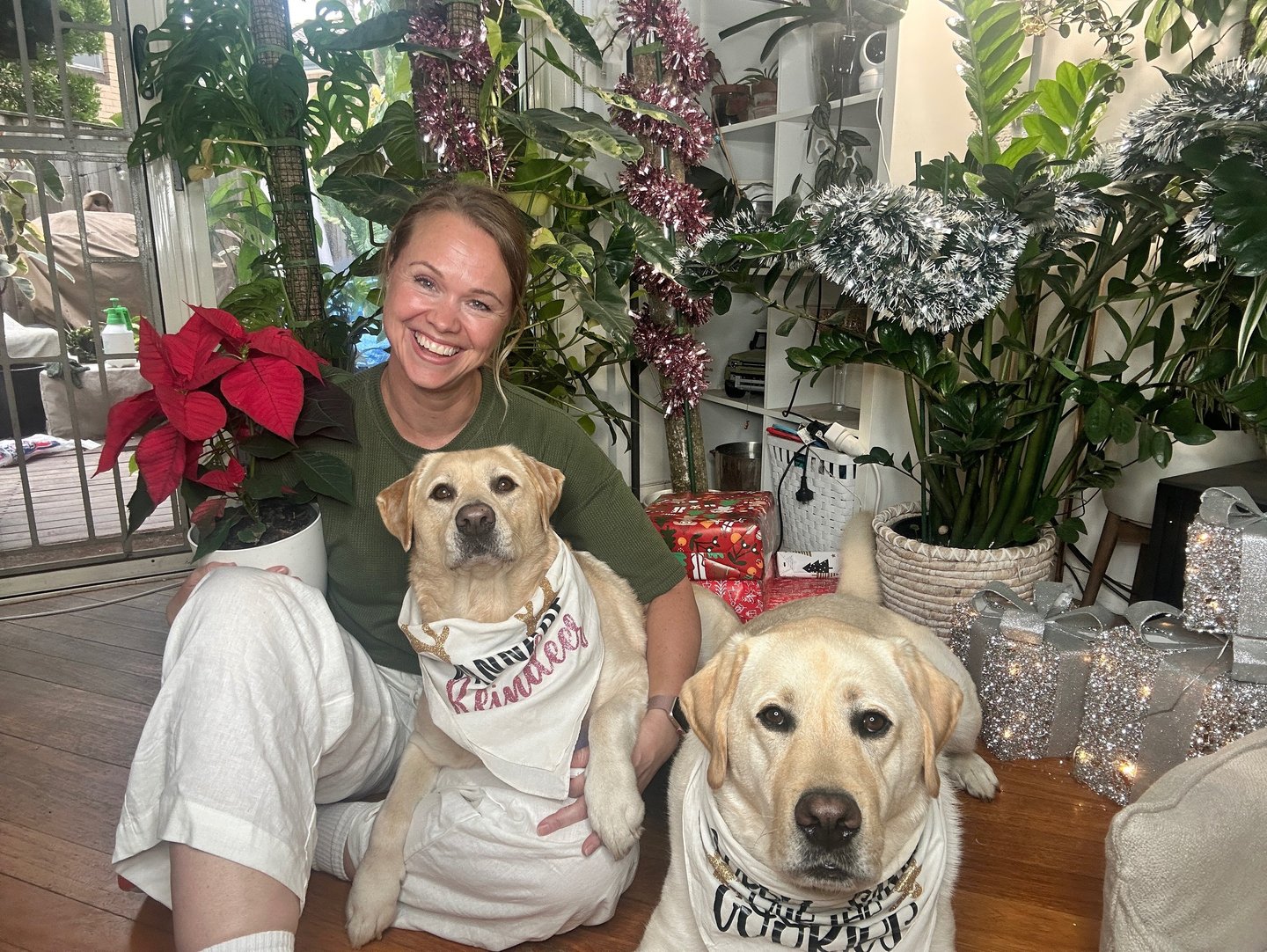
Poinsettias are the Christmas plant most people Google when they worry about toxic Christmas plants for pets. They’re bright red, dramatic, and surrounded by click‑bait headlines, which makes them feel scarier than they really are.
For cats, poinsettias are usually more unpleasant than truly dangerous. The sap can taste awful and cause mild mouth irritation or drooling, but most cats will take one lick, pull an offended face, and never try that again. Serious poisoning generally requires eating a lot of the plant, which is rare.
For dogs, poinsettias are similar. A few chewed leaves might cause a mild tummy upset, maybe some drooling or an extra trip to the lawn, but genuinely severe reactions usually involve eating a very large amount of the plant. Many veterinary resources classify poinsettias as low‑risk unless there has been a big ingestion or there are ongoing symptoms.
If your pet ever seems unwell, the safest step is always to contact your vet or a poison helpline for advice tailored to your animal, rather than relying on social media.

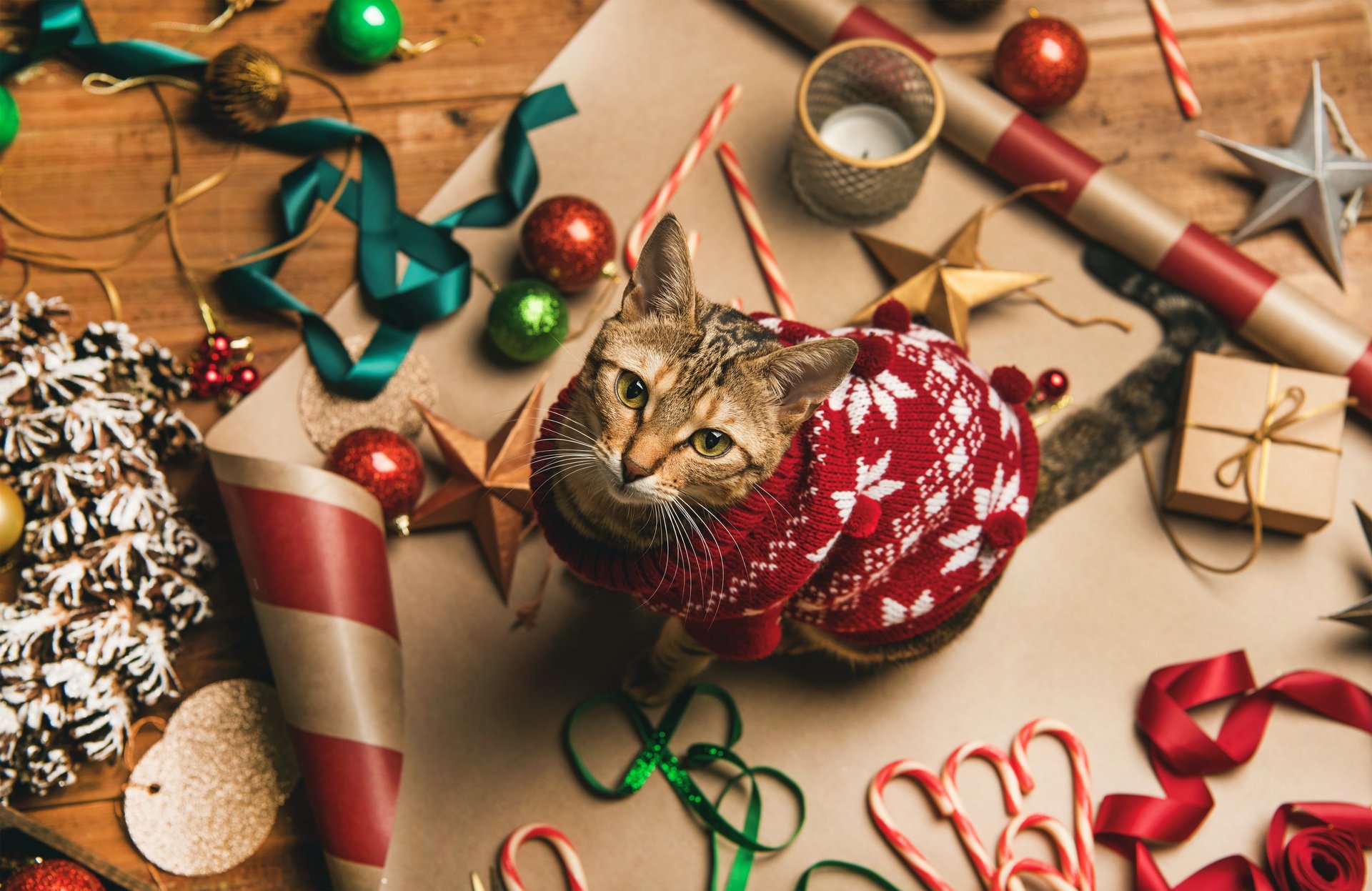

Other Festive Plants to Treat With Caution
Poinsettias might be overhyped, but there are a few other Christmas plants that can be toxic to pets and deserve extra care around curious animals.
Holly with red berries: The berries can cause vomiting if a pet eats too many. If you decorate with real holly and have a nibble‑prone cat or dog, either keep it truly out of reach or remove the berries and keep just the leaves.
Mistletoe and other fragrant greenery: These decorations can smell sweet and interesting at nose level, especially for dogs. If chewed, they may cause stomach upset and diarrhea, so keep wreaths and sprigs off the floor and away from easy snacking height.
The combination of strong scents and low‑hanging decor is what makes these tempting, rather than the leaves themselves being irresistible.
Why Dogs and Cats Don’t See Christmas Like We Do
One reason Christmas plants toxic to pets can catch people by surprise is that dogs and cats experience the holidays very differently from humans.
Cats are agile climbers and shelf explorers. They can reach tall vases and high mantels, so anything truly dangerous—like lilies—needs to be out of the house entirely, not just “up high”.
Dogs, on the other hand, are ground‑level opportunists with “nose first” brains. They explore new things by smell long before they think about how something looks. Many dogs will ignore houseplants completely but hoover up anything that hits the floor: berries, dropped food, wrapping paper, even interesting‑smelling potting mix.
If you share your home with enthusiastic sniffers, it helps to assume that anything on the floor is potential snack material, especially during the holidays.
The Hidden Holiday Hazards That Beat Any Plant
For many dogs, the real Christmas danger isn’t plants at all—it’s food. Festive treats like Christmas cake, mince pies, and fruit platters often contain ingredients that can seriously harm pets.
Grapes and raisins are a major concern for dogs. Even small amounts can affect the kidneys, especially in smaller breeds. These are more dangerous than most decorative greenery, so it’s important not to let dogs eat grapes, raisins, or anything that contains them.
Other non‑plant hazards include:
Wrapping paper, ribbons, and tinsel that smell like food or gravy
Sticky baking paper or foil with tasty residues
Leftovers left at dog‑nose level after parties
Managing these everyday temptations often does more for your dog’s safety than worrying about every plant in the room.
Puppies, Kittens and the “Everything Is Edible” Phase
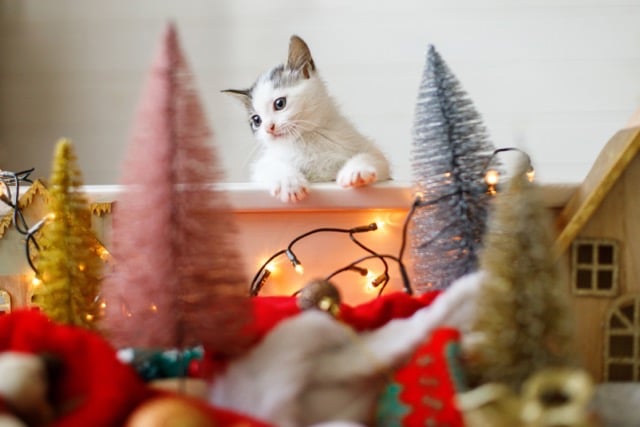
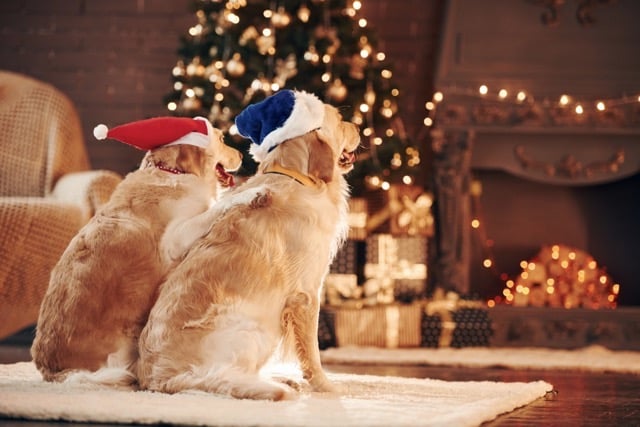
If you share your home with a puppy or kitten, assume the curiosity dial is turned all the way up. Young animals don’t just sniff everything; they taste test anything they can reach—plants, soil, ribbons, socks, wrapping paper, you name it.
Because they’re still learning and their bodies are smaller, supervision matters even more. Anything reachable is potentially snackable, so keep decorations, plants, and interesting textures out of easy reach, and check in often when they’re exploring new spaces.
Just like human babies, they want to experience the world with mouth and paws first, and they don’t yet know what’s safe.
A Simple Holiday Safety Checklist for Pet Parents
Instead of trying to memorise every Christmas plant that’s toxic to pets, focus on a few truly risky plants and some simple daily habits.
For cats:
Treat lilies as a hard “no”—don’t keep them in any home with cats.
Be cautious with holly berries and other tempting decorations; keep them truly out of reach or skip the berries.
For dogs (and mixed pet homes):
Do a “floor check” once or twice a day for berries, fallen decorations, and dropped food.
Never let dogs eat grapes, raisins, or festive treats that contain them.
Watch holiday greenery like holly and mistletoe; keep wreaths and arrangements off the floor.
Stabilise tall vases, branches, and decorations so excited dogs can’t knock them over.
Keep wrapping, ribbons, tinsel, and leftovers out of reach of enthusiastic scavengers.
Once those bases are covered, most homes can stay both beautifully decorated and pet‑friendly without packing away every plant.
Pet‑Safe Christmas Decor and Plant Gift Ideas
If you love decorating with natural touches or gifting plants, there are plenty of low‑stress options that work well in pet homes.
Pet‑safer decor ideas include:
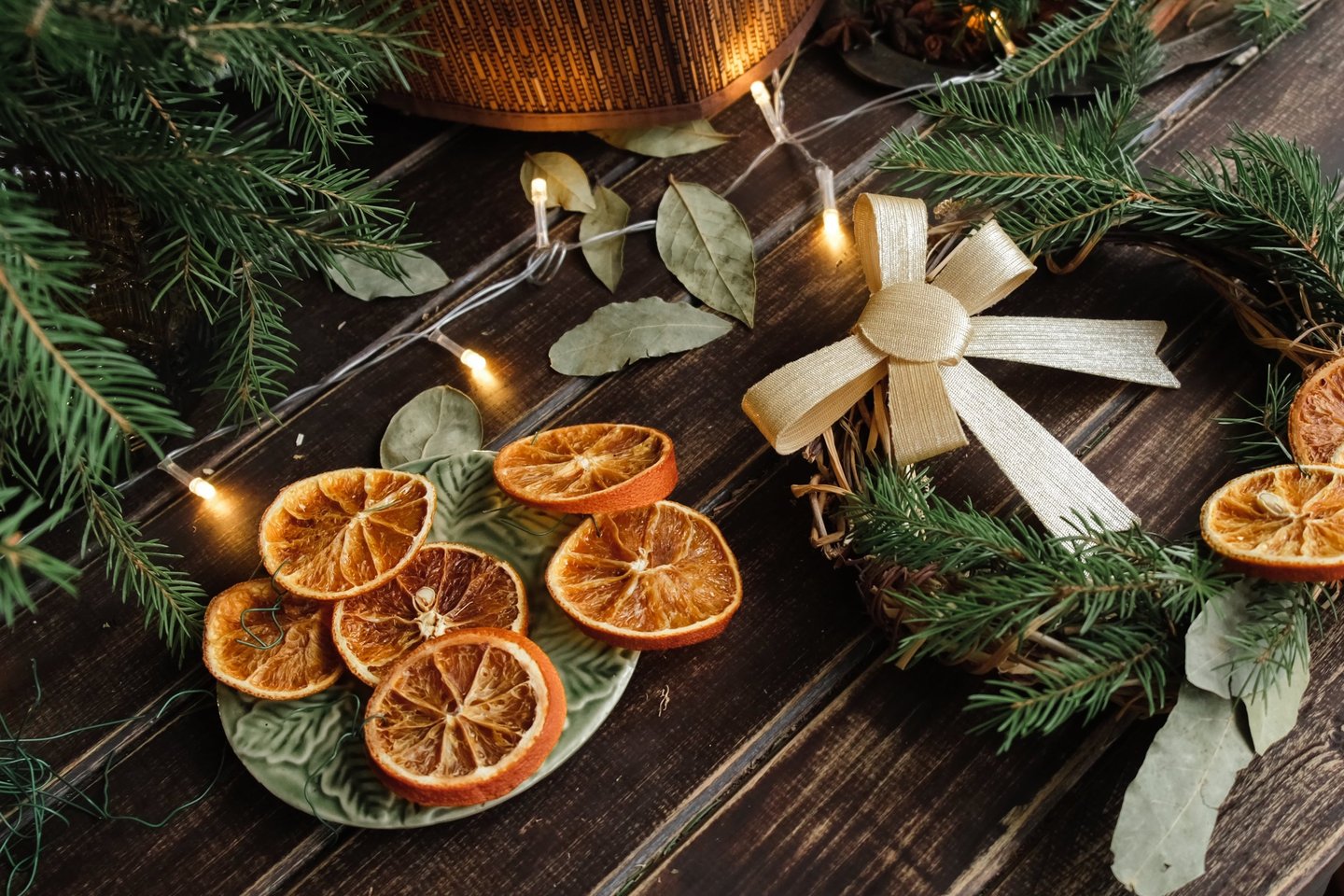
Real branches, dried oranges, pine cones, and fabric garlands
Sturdy potted plants in stable containers that won’t tip easily
Cuttings in jars or vases that can be displayed in cabinets or on shelves
For gifts:
In cat homes, choose plants or cuttings that can live safely behind glass or in spots cats can’t easily reach.
In dog homes, look for solid pots with broad bases and plants that can handle the odd wagging tail bump.
Decorating with these in mind makes the whole season feel calmer—you’re not constantly worrying what might get chewed the moment your back is turned.
You Don’t Have to Choose Between Plants and Pets
It’s easy to feel overwhelmed by conflicting lists and scary headlines, especially around Christmas when everything in the house seems new, tempting, and slightly chaotic.
The good news: you don’t have to strip your home of greenery to keep your pets safe. Focus on a few key principles—no lilies for cats, careful with holly berries and mistletoe, strict “no” on grapes and raisins, and regular floor checks in dog homes—and you can enjoy both your plants and your pets all season long.
This article is for general information and plant‑lover experience only and is not veterinary advice. If your pet ever seems unwell, or you’re worried they’ve eaten something they shouldn’t, contact your own vet or a pet poison helpline straight away.
Leafy Lovin
© 2025 Leafy Lovin™.
All rights reserved.



FOLLOW ME
👉 Join the Leafy Lovin’ Newsletter
Get tips, videos, and behind-the-scenes updates (no spam ever)